If you’re trying to find the “best” smart TV brand, here’s the honest answer: there isn’t one single winner.
Brands like Samsung, LG, and Sony dominate the market for a reason, but even they have trade-offs depending on what you care about most.
That’s why focusing only on brand is a mistake.
What actually matters is:
- Display technology (OLED vs QLED vs Mini-LED)
- Brightness and contrast
- Viewing angles
- Smart TV interface
- Sound quality
- And how it fits your space
Before jumping into the best TVs you can buy right now, here’s how the market really breaks down.
1. LG 65-Inch OLED evo AI C5 Series (OLED65C5PUA)
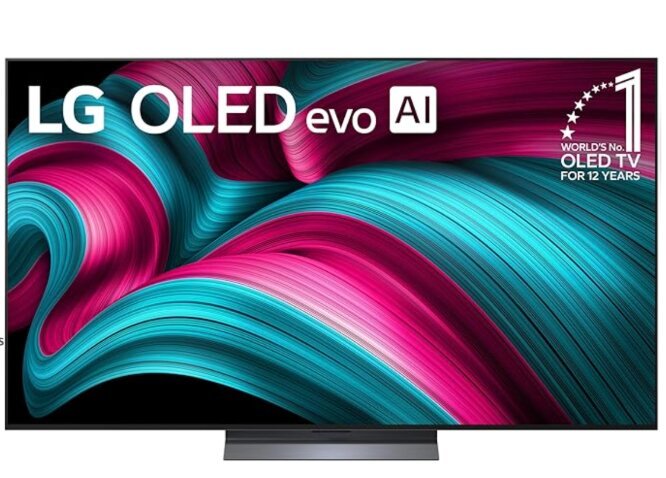
👉 Best Overall & Long-Term Investment
This is the TV most people upgrade to after realizing cheaper TVs don’t quite deliver.
The OLED panel means:
- Perfect blacks (each pixel turns off)
- Incredible contrast
- No blooming in dark scenes
Why it stands out:
- Dolby Vision + Dolby Atmos support
- AI upscaling that actually works
- Smooth gaming performance (high refresh rate)
- Clean, fast webOS interface
Common concern: price
Yes, it’s expensive—but this is the kind of TV you keep for years.
Verdict:
If you want a premium, future-proof TV that excels at everything, this is the safest choice.
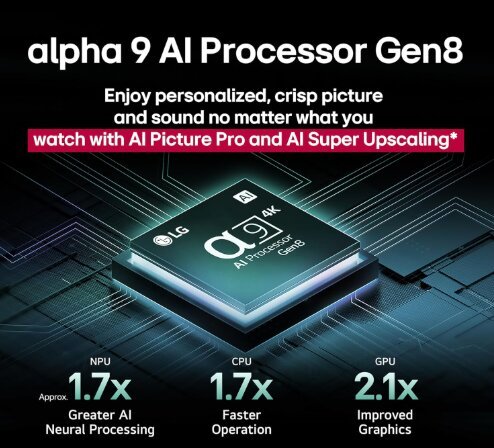
2. Samsung Class OLED S95 Series
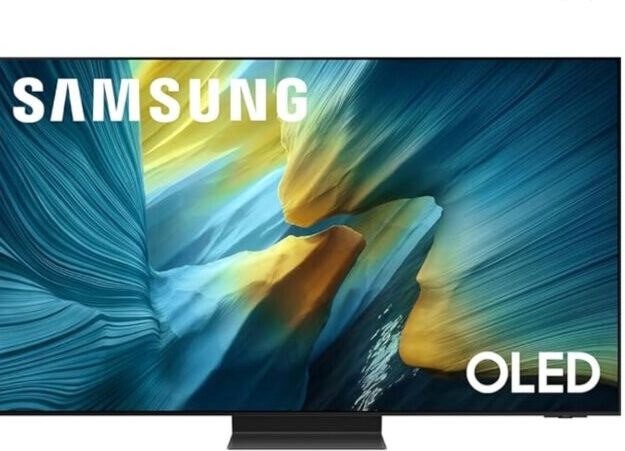
👉 Best for Bright Rooms + Color Pop
Samsung’s QD-OLED approach blends OLED contrast with brighter, more vivid colors.
Pros:
- Extremely bright for an OLED
- Vibrant color reproduction
- Great anti-glare performance
Cons:
- No Dolby Vision (Samsung skips it)
- Interface can feel cluttered
Verdict:
Perfect if your room gets a lot of light and you want punchy visuals.
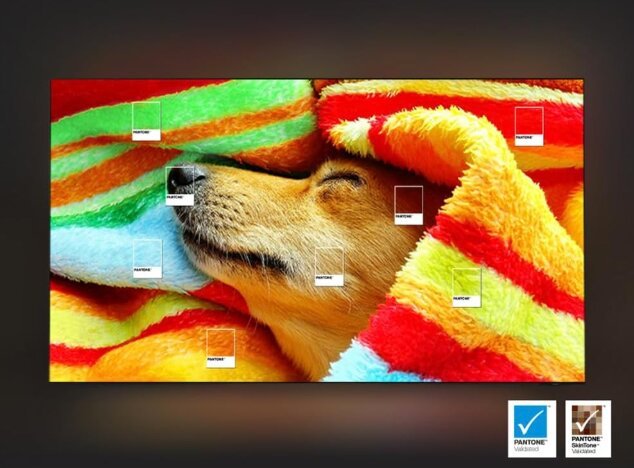
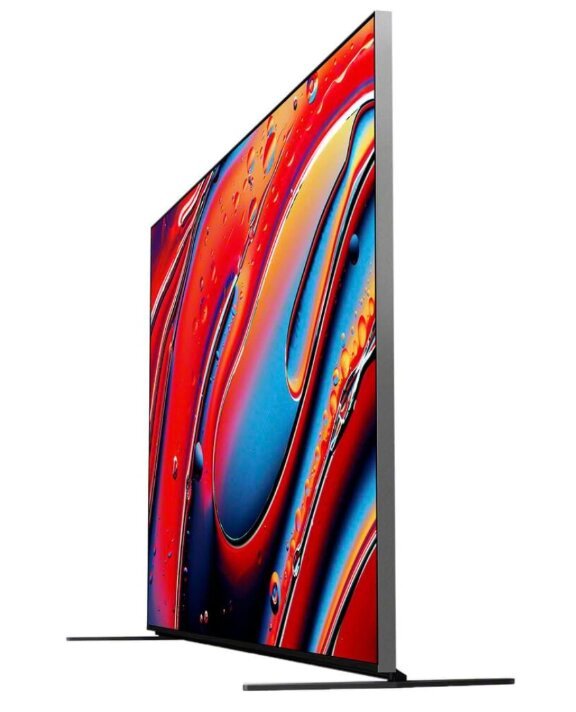
3. Sony BRAVIA 9 Mini LED 4K HDR Google TV
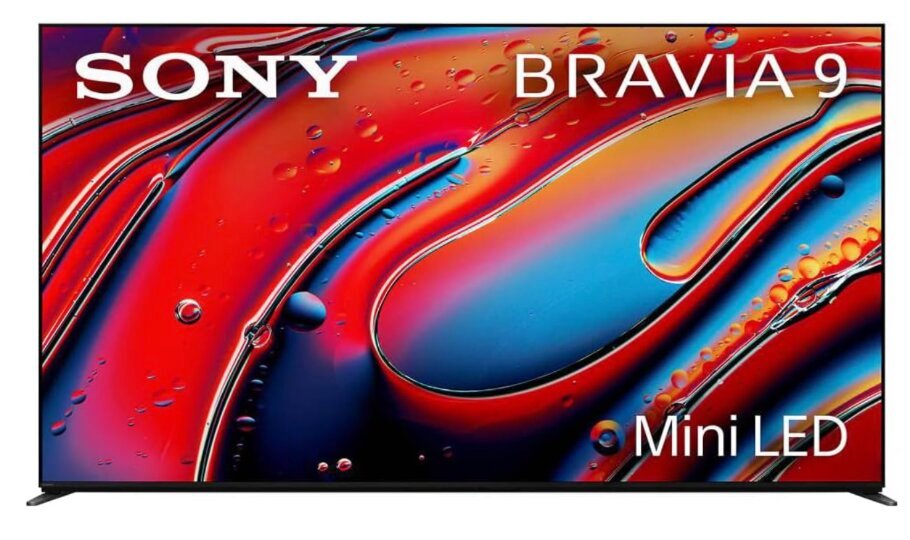
👉 Best for Movie Lovers & Processing Quality
Sony still leads in one area: image processing.
This TV delivers:
- Natural, realistic colors
- Excellent motion handling
- Strong HDR performance with Mini-LED
Pros:
- Google TV is clean and app-rich
- Great for films and sports
- Balanced brightness and contrast
Cons:
- Usually priced high
- Not as “flashy” as Samsung
Verdict:
If you care about accuracy over hype, Sony is hard to beat.
4. TCL 65 Inch Class QM7K Series
Best Value High-End Alternative
TCL has quietly become one of the smartest buys in TVs.
Why people love it:
- Huge screen sizes for the price
- Mini-LED gives strong contrast
- Google TV built-in
Pros:
- Excellent price-to-performance
- Bright and colorful
- Solid gaming support
Cons:
- Quality control can vary slightly
- Processing isn’t Sony-level
Verdict:
Best bang-for-your-buck premium experience.
5. Hisense U6 Series Mini-LED ULED
If you’re stepping up from a basic TV, this is where things start getting good.
Pros:
- Mini-LED at a lower price
- Good brightness and contrast
- Google TV included
Cons:
- Not as refined as premium brands
- Motion handling is average
Verdict:
A solid entry into “real” HDR performance without overspending.
Why Cheap Smart TVs Usually Disappoint
A lot of buyers start with the cheapest option—and regret it.
Common issues:
- Poor brightness (HDR looks dull)
- Washed-out blacks
- Laggy smart interface
- Weak upscaling (bad for streaming)
- Tinny, weak audio
And the key point most people miss:
👉 Picture processing and panel quality matter more than resolution.
A cheap 4K TV doesn’t automatically look good.
Should You Buy a Soundbar Too?
Almost always, yes.
Modern TVs are thin, which means:
- Tiny speakers
- Weak bass
- Flat soundstage
Even a mid-range soundbar dramatically improves:
- Dialogue clarity
- Immersion
- Overall experience
Smart TV Brand Tiers (What Reddit Gets Right)
Tier 1: Premium Leaders
Samsung, LG, Sony, (and sometimes Panasonic outside the U.S.)
These brands consistently deliver:
- Best picture quality
- Strong processing and upscaling
- Reliable smart platforms
Standout technologies:
- LG → OLED (perfect blacks)
- Samsung → QLED / Neo QLED (brightness + color)
- Sony → best image processing + realism
Tier 2: High-Value Performers
TCL, Hisense, Vizio
These brands are interesting because:
- Some models compete directly with Tier 1
- You get larger screens for less money
- Quality control can vary slightly more
If you’re budget-conscious but still want premium features, this tier is where most smart buyers land.
Tier 3–4: Budget / Store Brands
Toshiba, Sharp, Insignia, Sceptre
These are fine for:
- Guest rooms
- Casual viewing
- Tight budgets
But don’t expect top-tier performance, especially in:
- Motion handling
- Contrast
- Longevity
What Actually Matters When Choosing a Smart TV
Before buying anything, check these in-store or through real reviews:
- Front viewing quality – Is the image sharp and vibrant?
- Off-angle viewing – Does it fade from the side?
- Glare & reflections – Important for bright rooms
- Brightness – Crucial for HDR and daytime viewing
- Dark scene performance – Look for halo/blooming issues
- Size vs distance – Bigger isn’t always better
- Smart OS – Does it support your apps?
- Sound quality – Most TVs are weak here → consider a soundbar
And one thing Reddit nailed:
👉 Ultra-cheap TVs under $500 often cut too many corners.
Spending a bit more usually gives you a much better long-term experience.
Bottom Line: What Smart TV Should You Actually Buy?
If “best” means cheapest → you’ll compromise.
If “best” means:
- Stunning visuals
- Smooth performance
- Long-term reliability
Then your picks are clear:
- Best overall: LG OLED evo C5
- Best bright-room TV: Samsung S95
- Best for movies: Sony Bravia 9
- Best value: TCL Mini-LED
- Best budget upgrade: Hisense U6
If you can stretch your budget, do it.
This isn’t just another gadget—it’s the centerpiece of your home setup.
And the difference between a “decent” TV and a great one is something you’ll notice every single day.
Disclaimer:
This post may contain affiliate links, which means that I may receive a small commission, at no cost to you, if you make a purchase through a link!